Imagen de los trastornos relacionados con el estado de ánimo y la ansiedad (IMARD)

“Queremos determinar el mejor tratamiento para cada persona utilizando neuroimagen”

 Los trastornos del estado de ánimo y de ansiedad están entre las principales causas de discapacidad. Aproximadamente una de cada cuatro personas sufrirá uno de estos trastornos a lo largo de su vida. Y, desafortunadamente, los tratamientos disponibles hoy en día solo ayudan a la mitad de los afectados, siendo a menudo necesario recurrir al ensayo y error para encontrar el tratamiento adecuado. Por ello, necesitamos indicadores fiables, objetivos y válidos que nos permitan predecir desde el principio la respuesta del cuerpo a un tratamiento. Solo de esta manera podremos recomendar el tratamiento correcto a cada paciente.
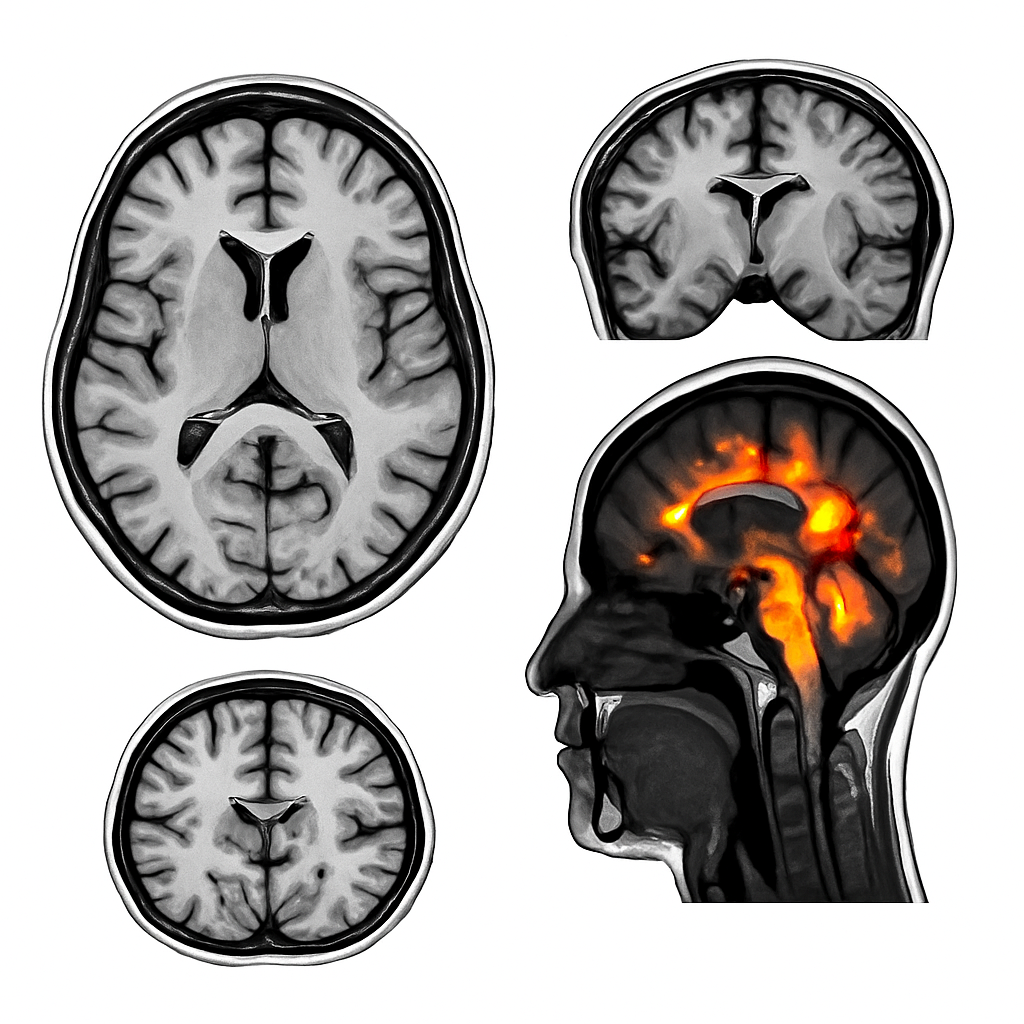

    La investigación del grupo IMARD tiene dos objetivos: identificar los cambios en el cerebro implicados en los trastornos del estado de ánimo y de ansiedad, y determinar los mecanismos cerebrales que predicen quién responderá mejor o peor a diferentes tratamientos. Para lograr estos objetivos, el grupo utiliza diversas técnicas de neuroimagen (como la resonancia magnética cerebral), que a menudo se combinan con técnicas de inteligencia artificial.
Últimas noticias:

Maybe psychiatry does not need another grand theory. Maybe we need to engineer the combination of mechanistically diverse tools with
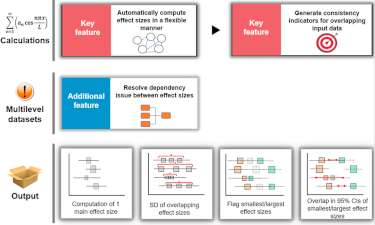
It applies more than 120 formulas to convert any relevant input data into Cohen's d, Hedges' g, mean difference, odds ratio...
From descriptive MRI research to adopting a "mental health engineering" lens. And no, this is not about AI.
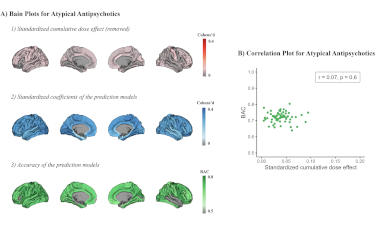
In this ENIGMA mega-analysis, we first adjusted for cumulative dose and then predicted medication status. Predictive regions for atypical antipsychotics...
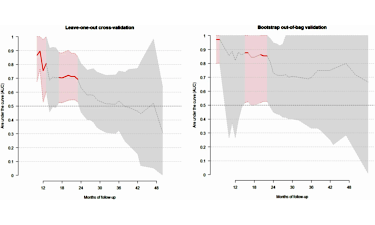
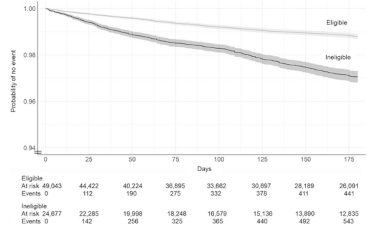
For predicting onset within the first 20 months, the area under the ROC curve (AUC) indicated acceptable to strong discrimination...
In this episode of ÒrbitaCLÍNIC, the host speaks with Mònica Ubalde, a researcher at ISGlobal, and Joaquim Raduà...
Utilizing specialized health care registers in Finland and Sweden, we identified adults diagnosed with major depressive disorder...
This meta-analysis of 100 studies comprising 4920 individuals with BD, 676 unaffected first-degree relatives, and 4909 healthy controls found...
Michele De Prisco discussed the impact of climate change on mental health at the 2025 edition of BCNspiracy, held at
In this Dciencia outreach post, Enric Vilajosana presents the key insights from our recent Nature Communications publication.
Para conocer las nuevas tecnologías digitales e inteligencia artificial en salud mental, con la participación, entre otros, de Joaquim Raduà.
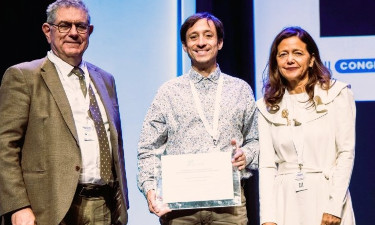
Prof. Joaquim Radua, leader of the IMARD group, has received the Research Excellence Award from the Sociedad Española de Psiquiatría